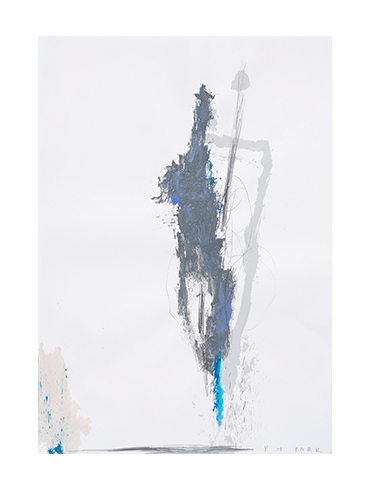
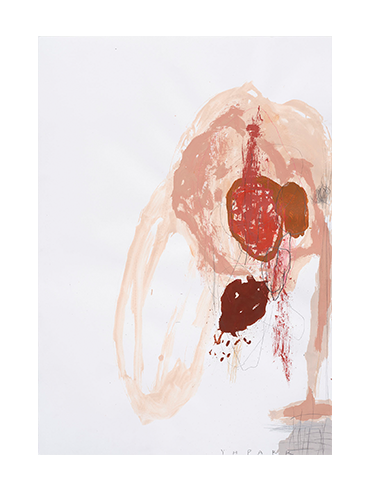
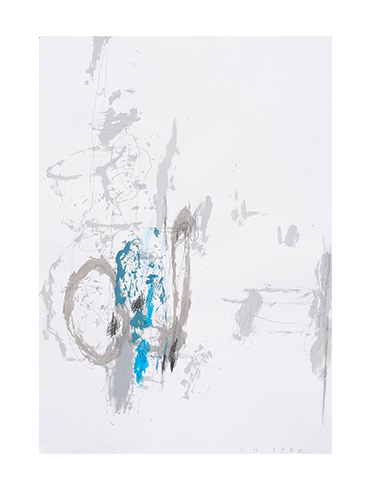
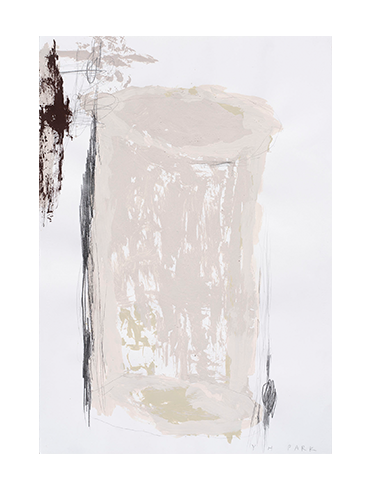
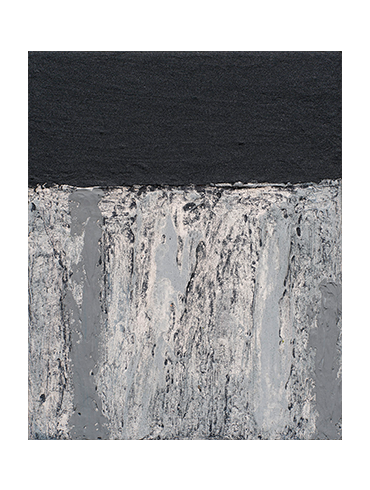
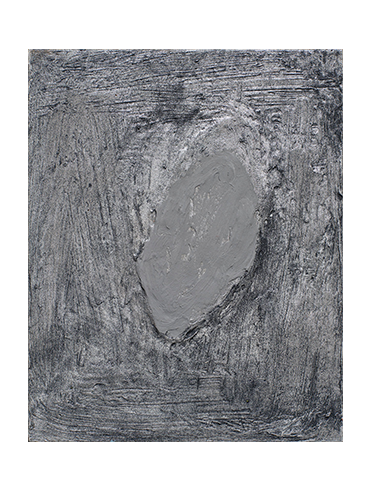
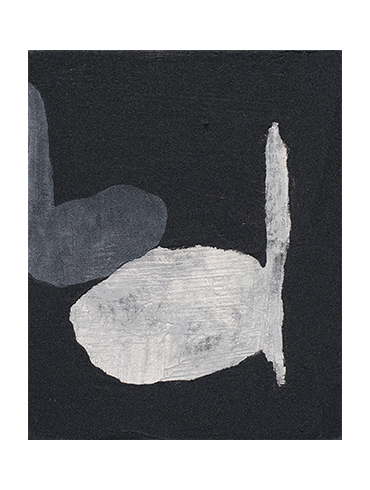
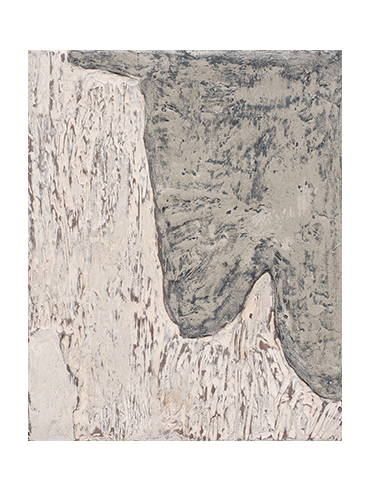
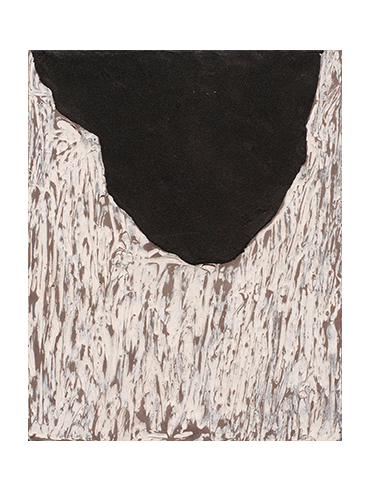
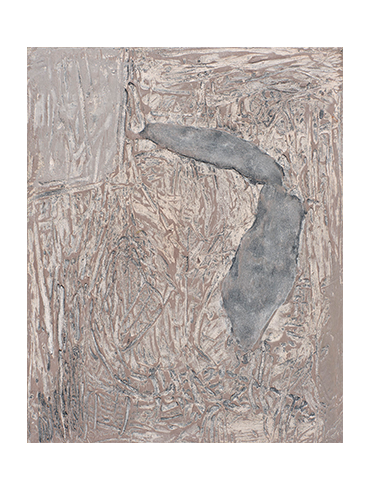
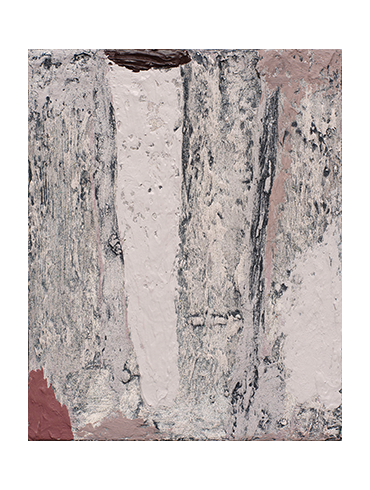
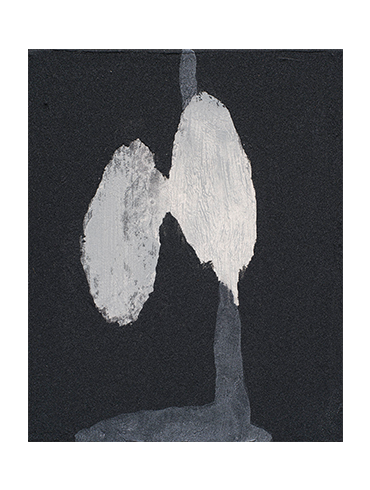
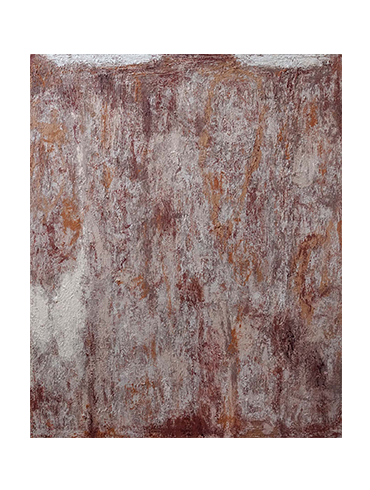
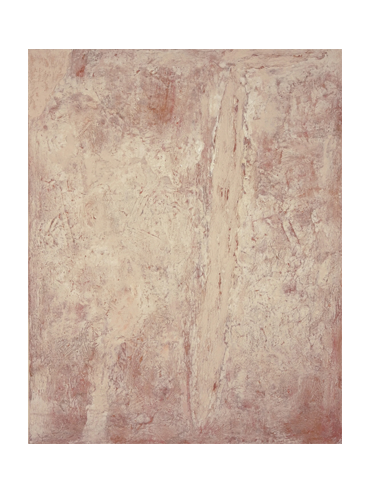
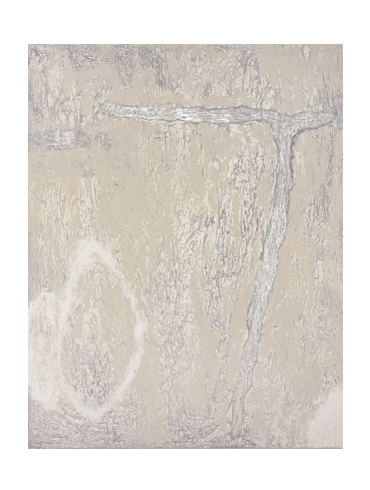
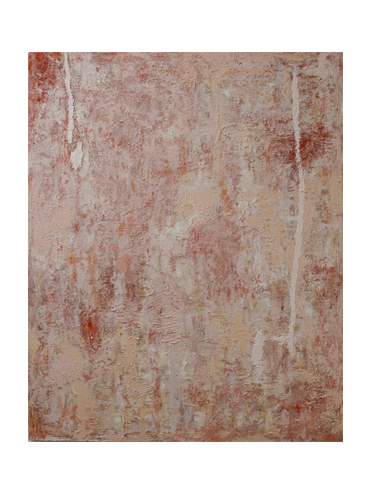
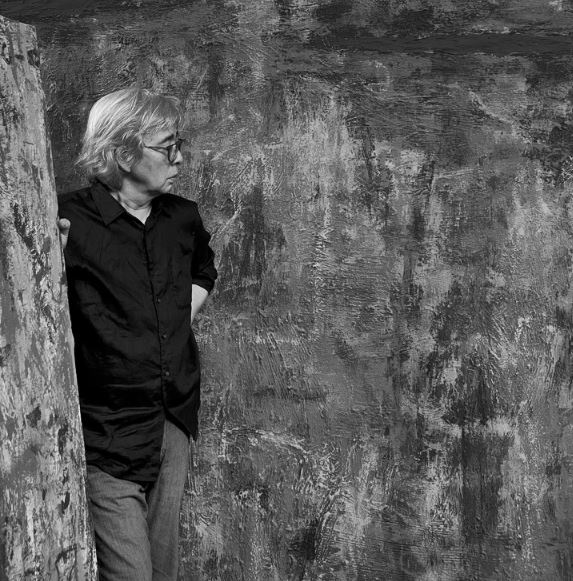
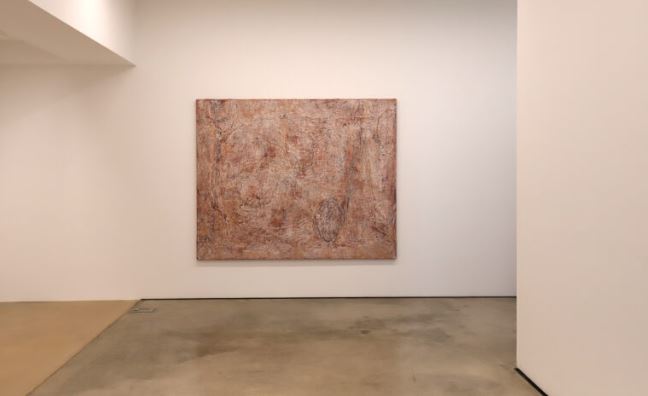
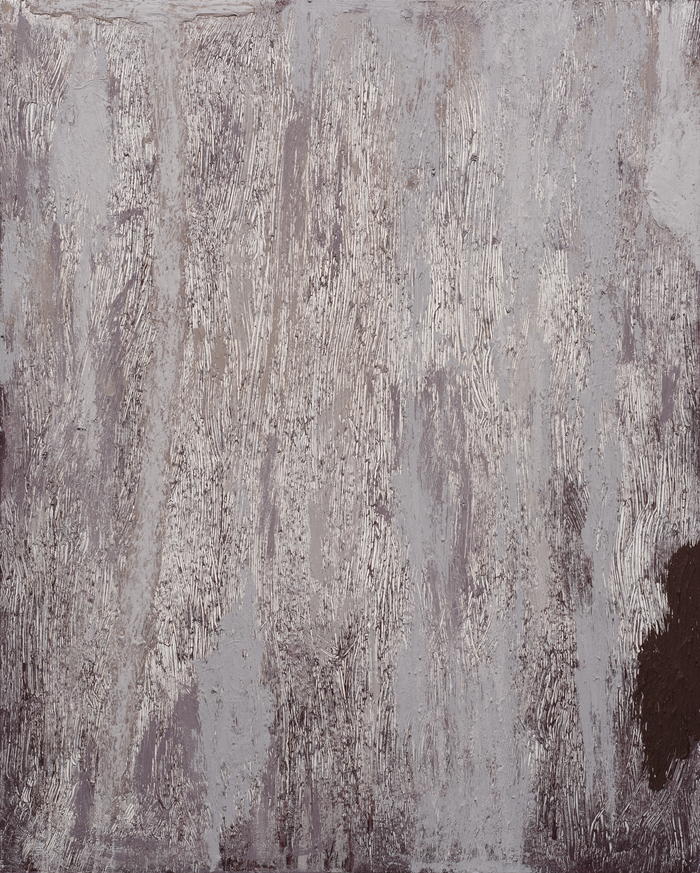
PARK
Young-Ha (1954–)
has been a prominent figure in the art world since the 1980s with his
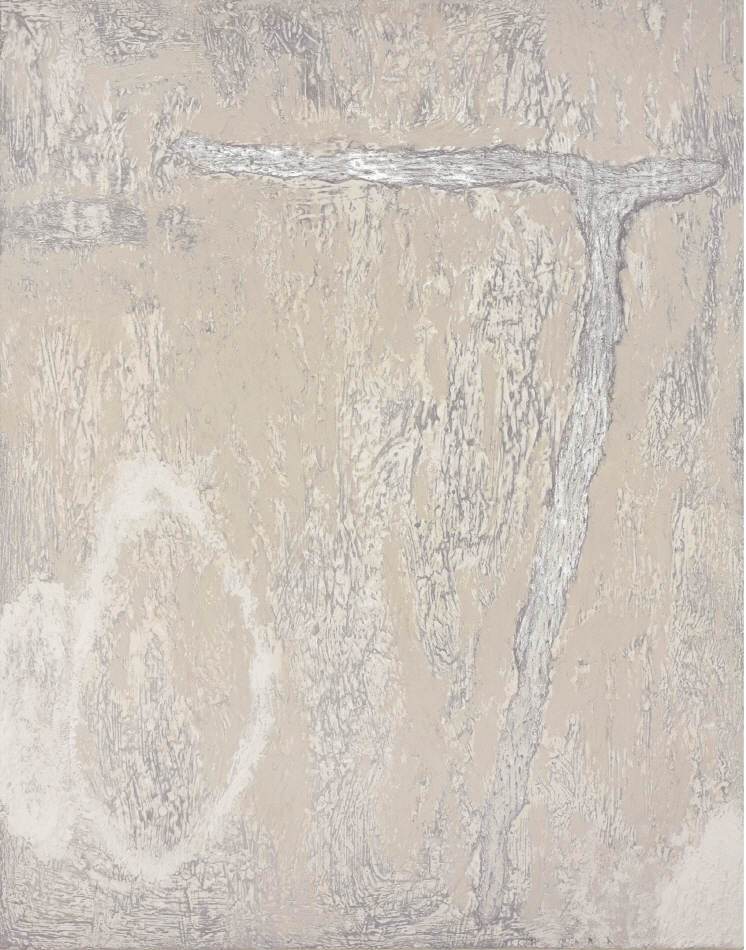
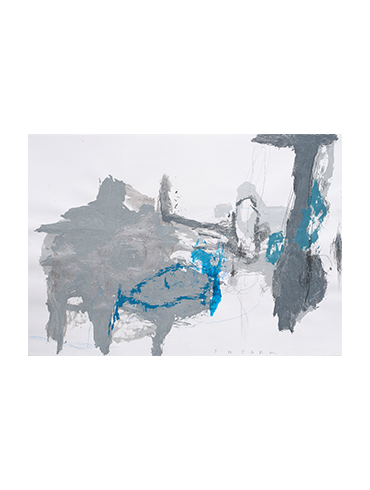
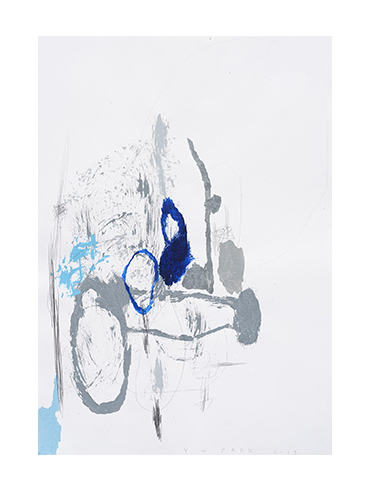
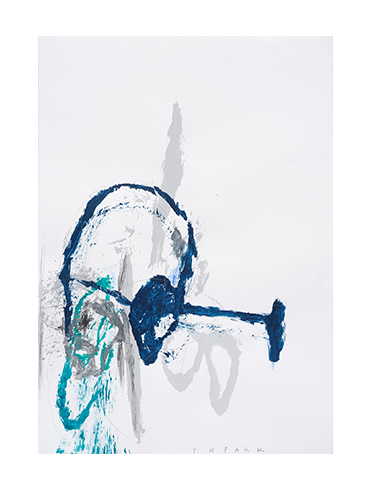
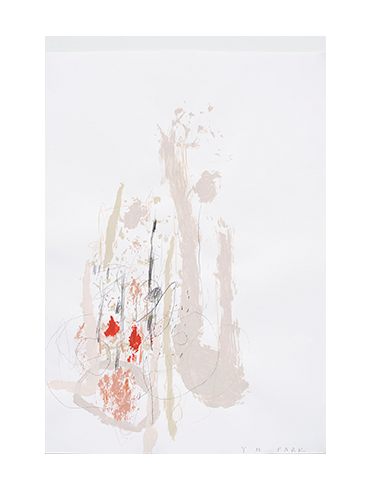
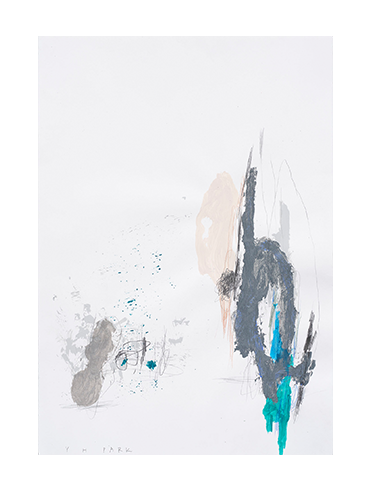
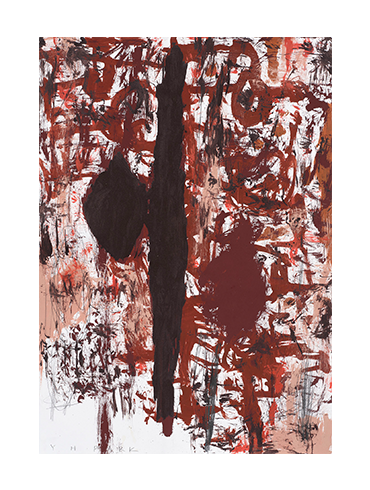
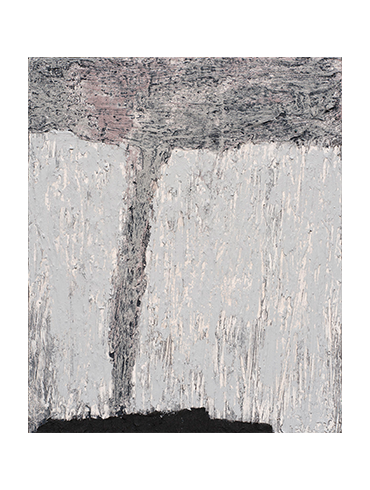
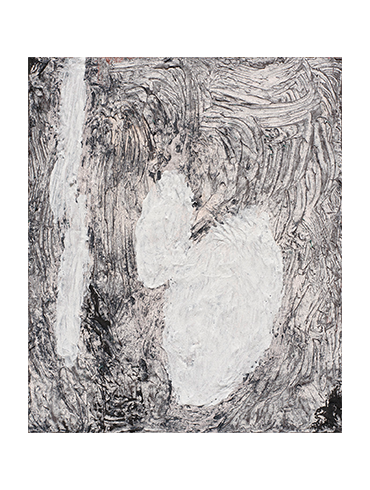
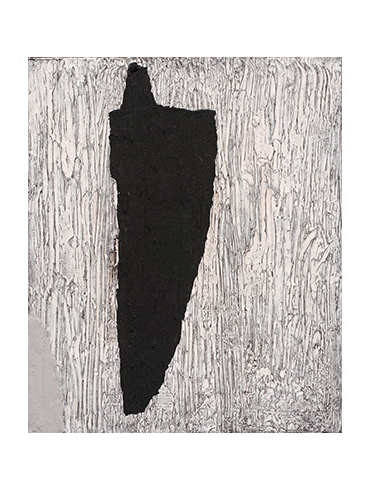
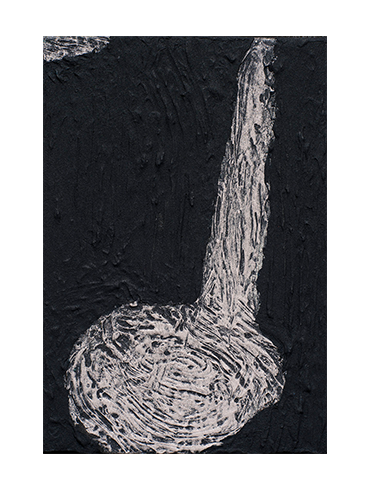
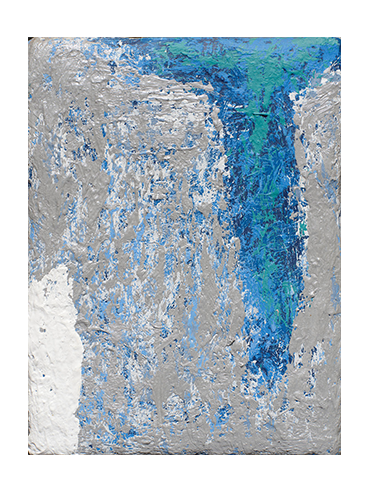
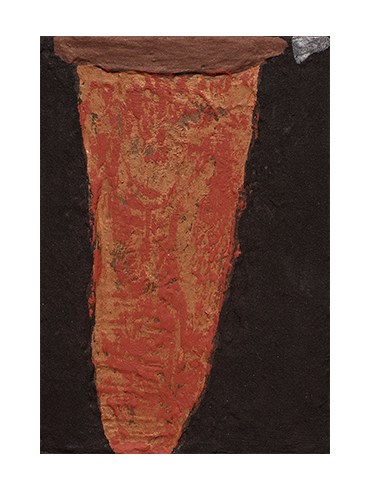
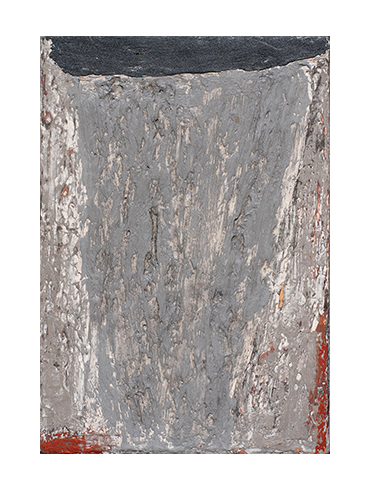
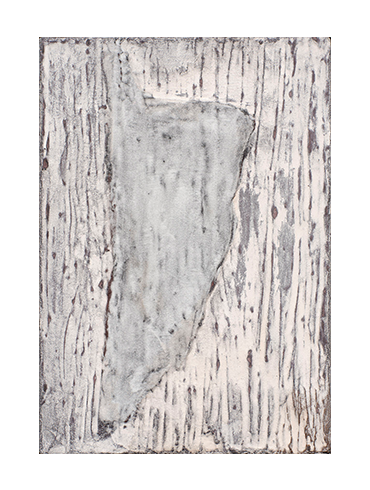
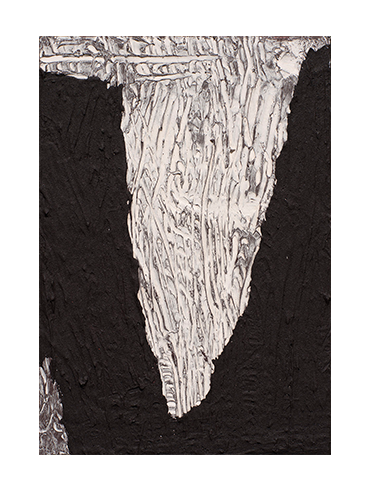
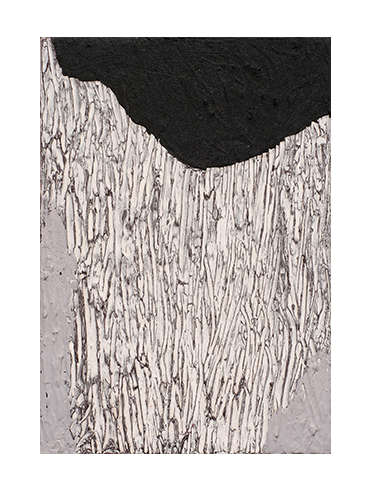
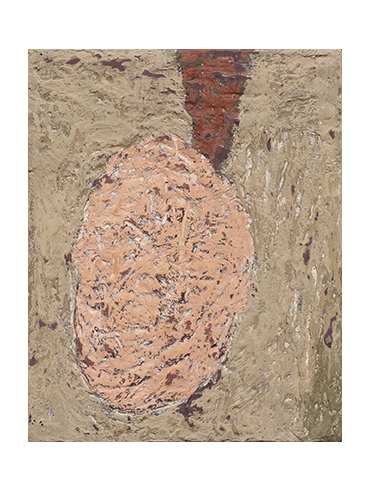
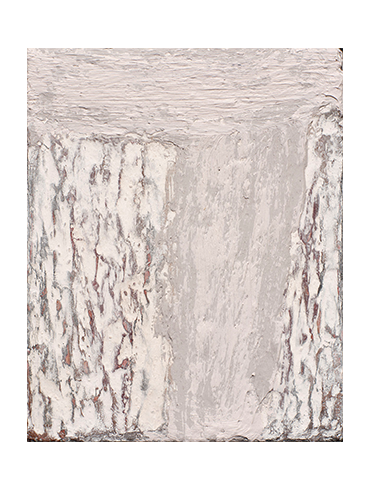
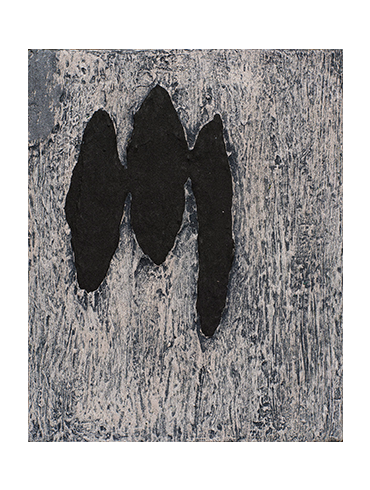
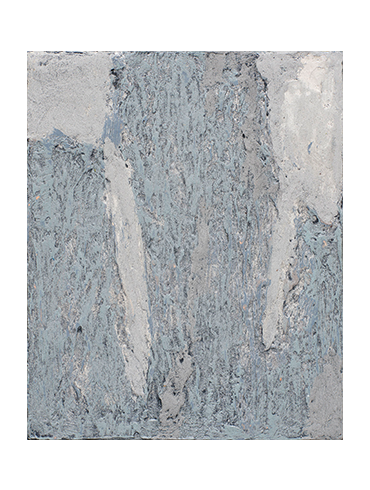
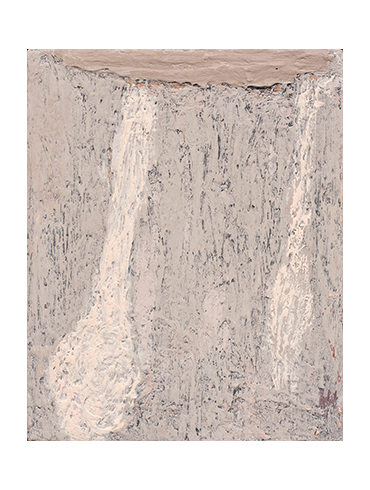
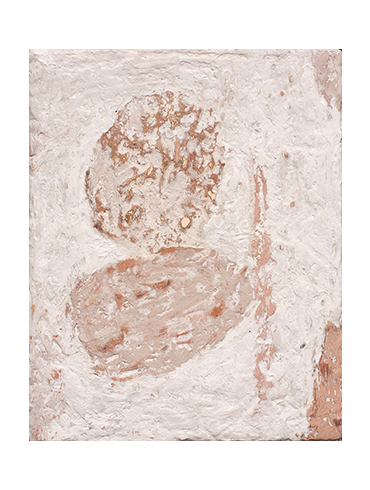
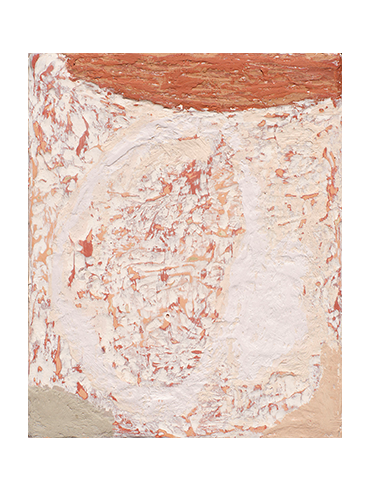
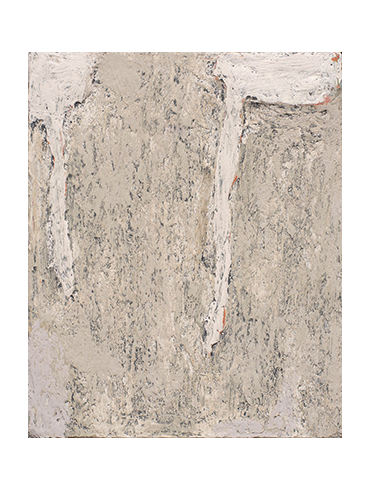
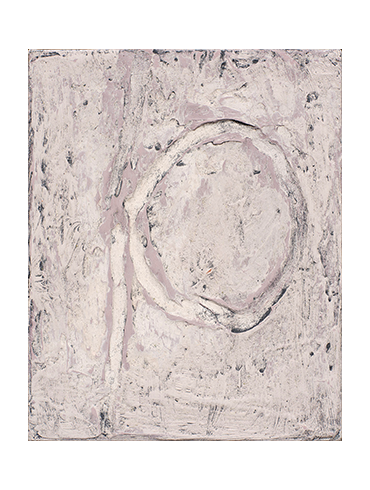
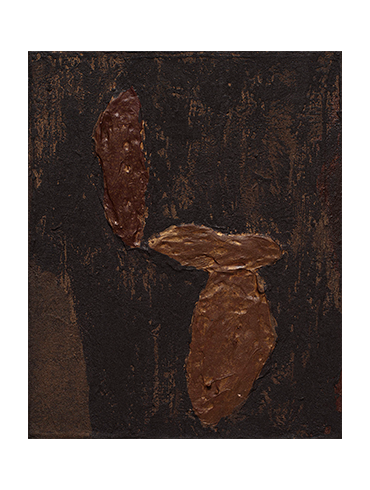
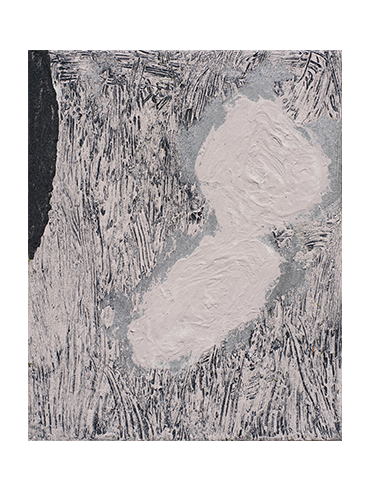
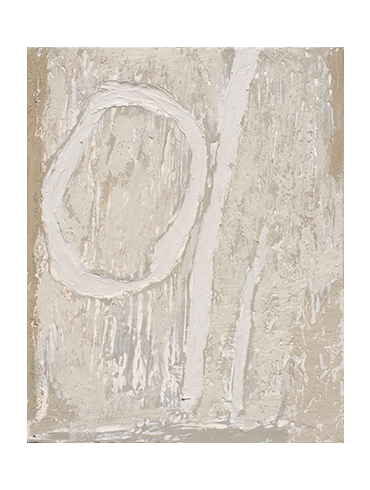
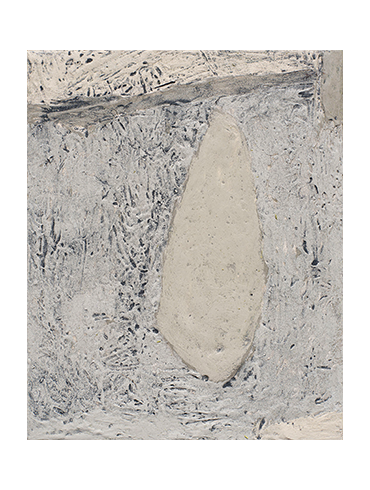
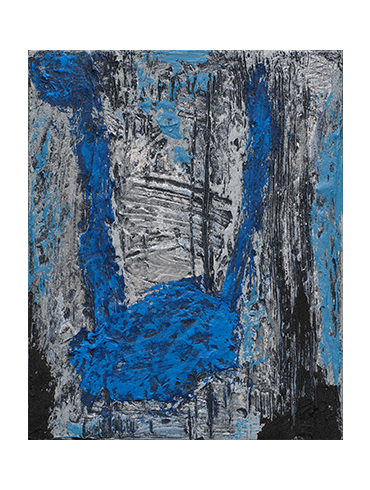
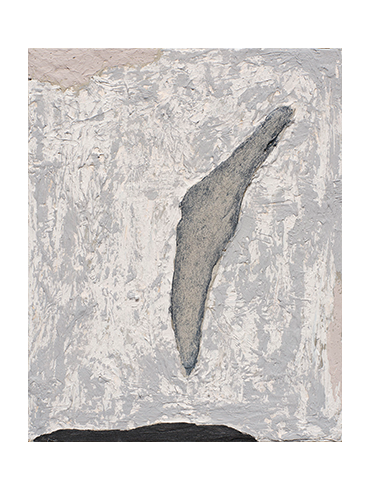
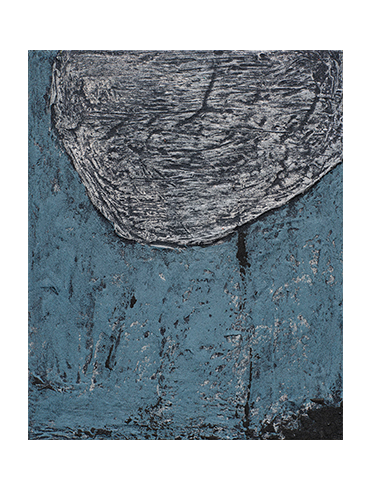
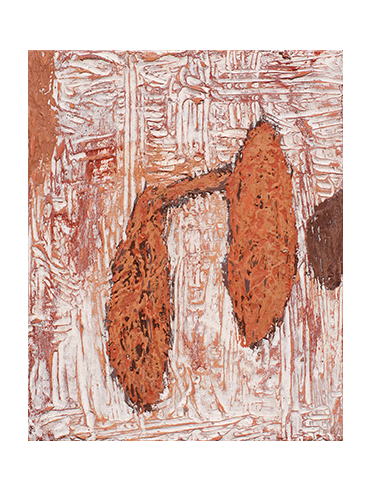
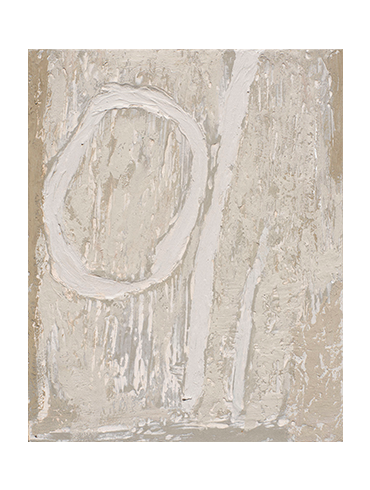
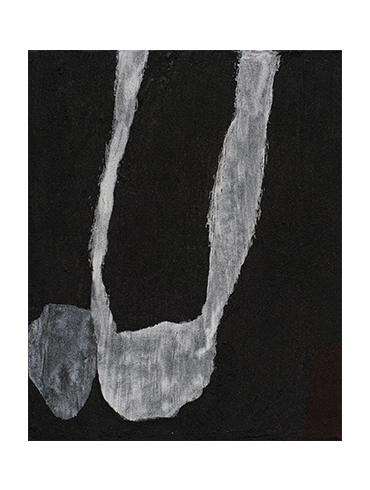
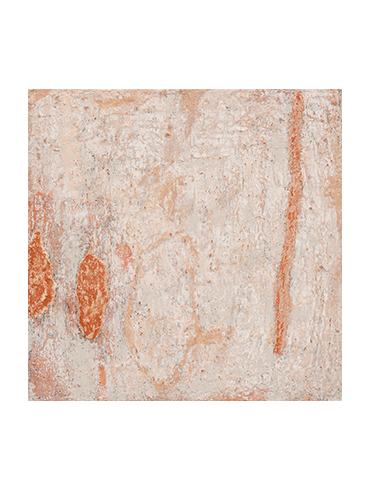
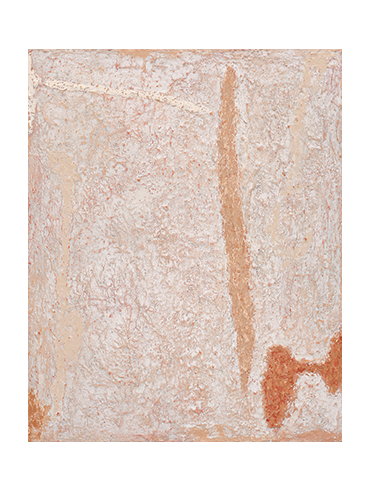
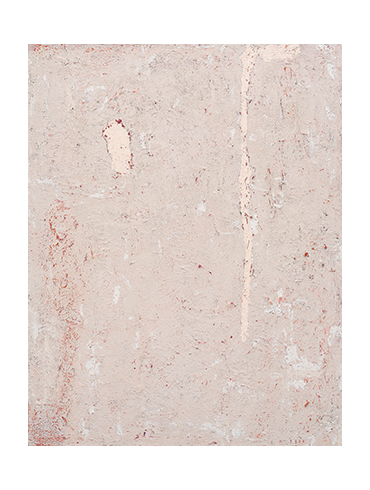
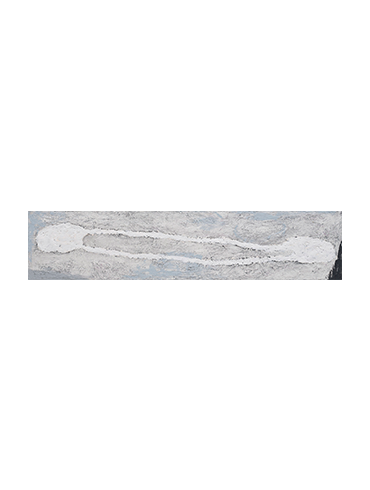
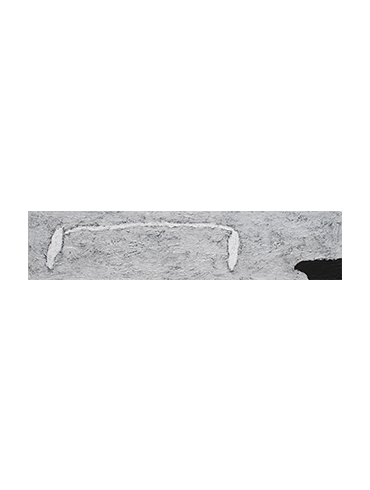
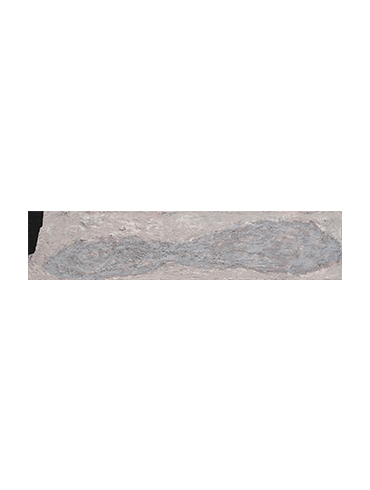
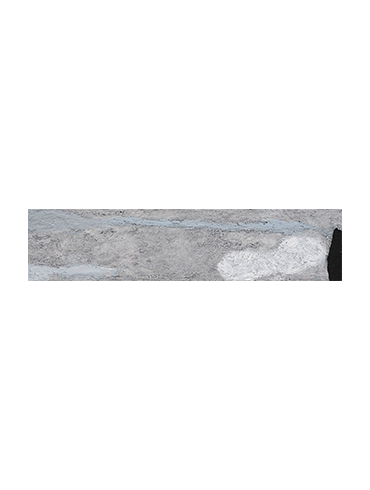
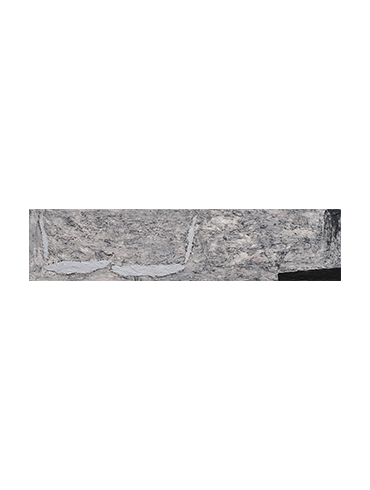
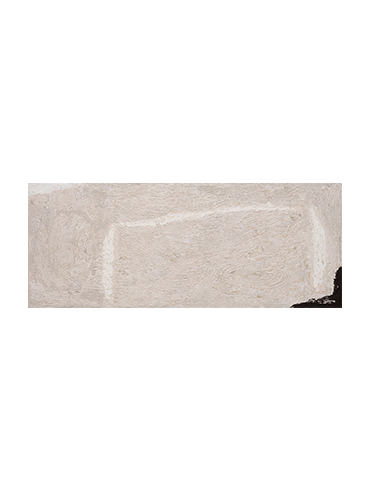
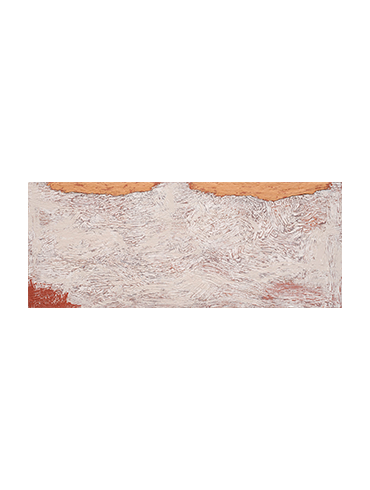
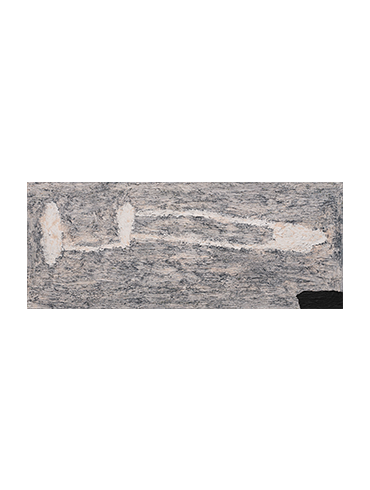
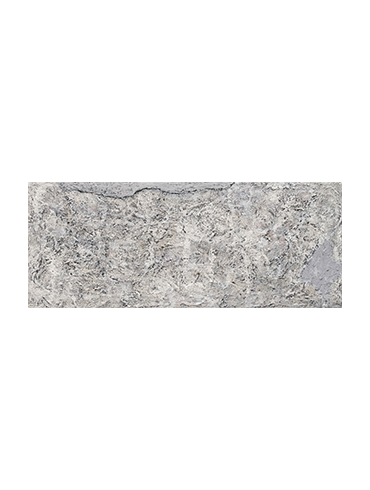
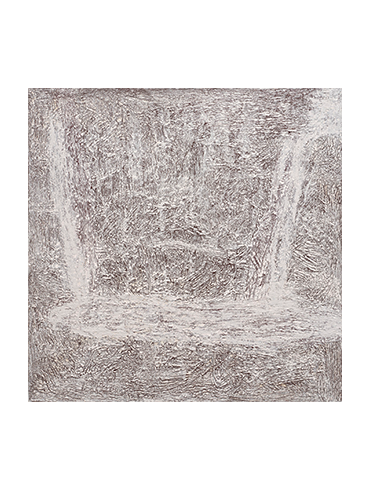
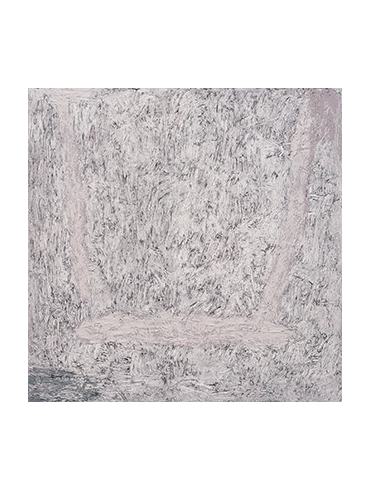
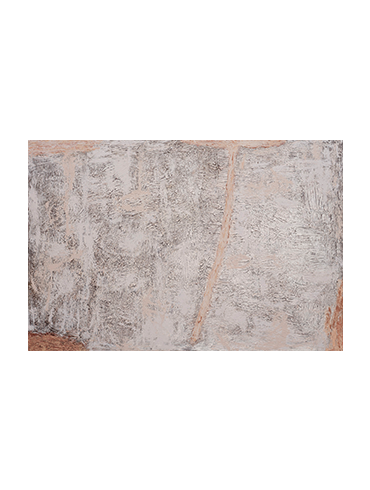
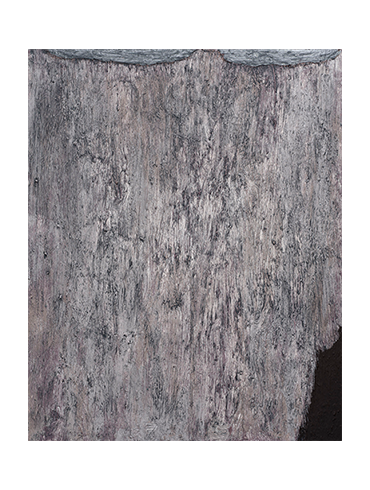
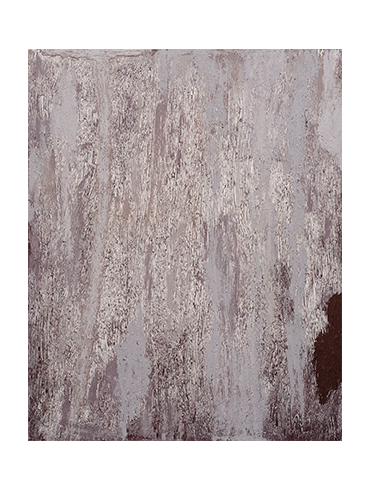
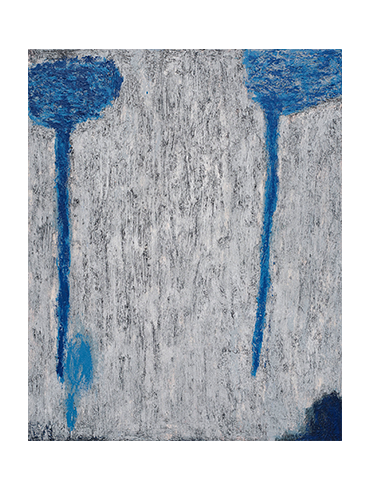
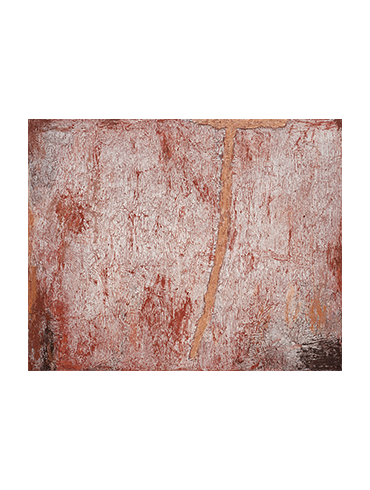
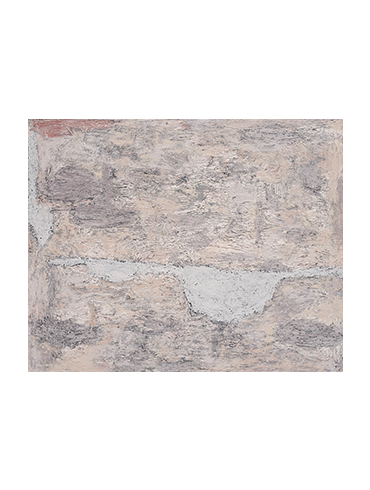
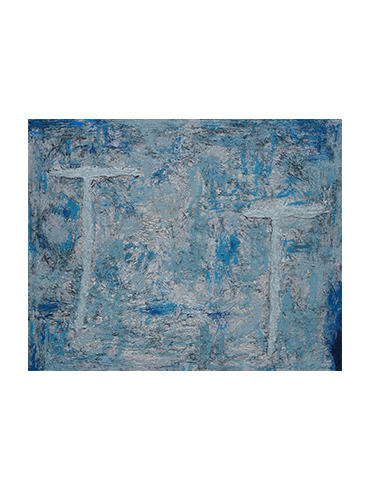
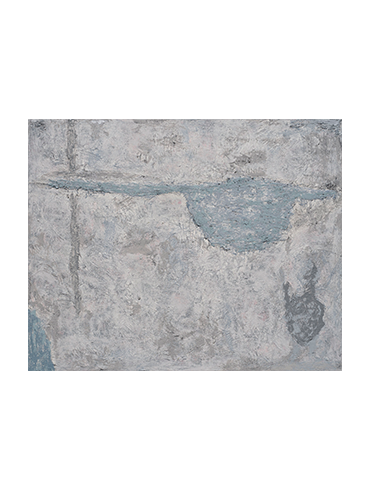
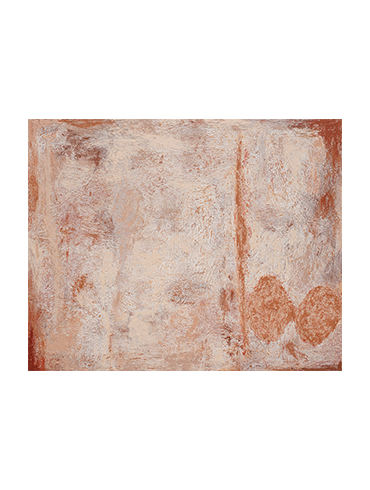
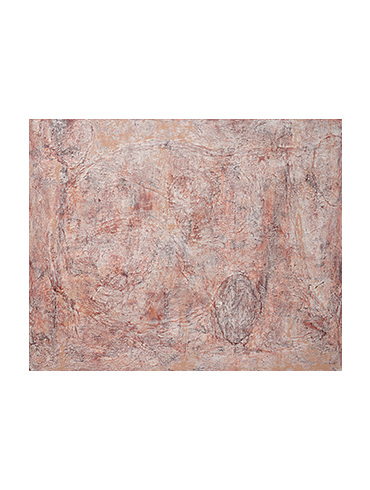
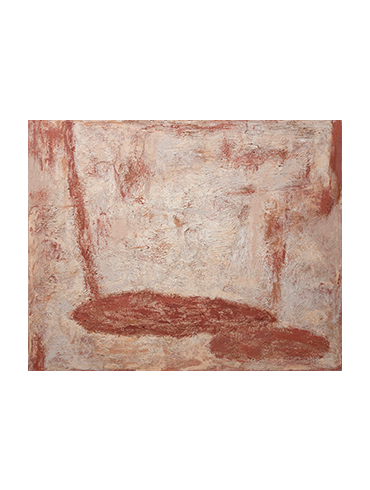
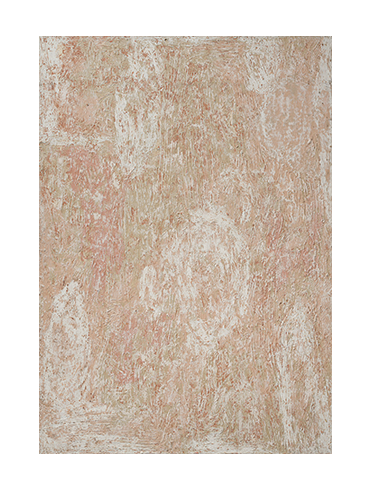
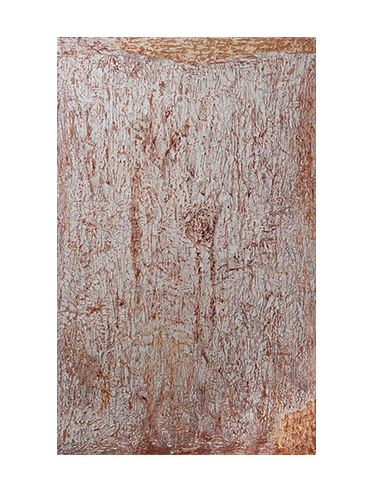
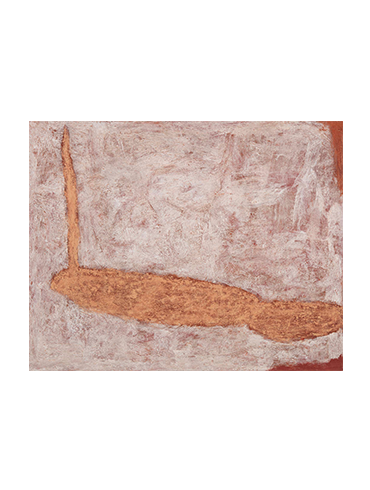
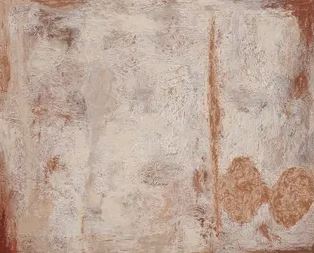
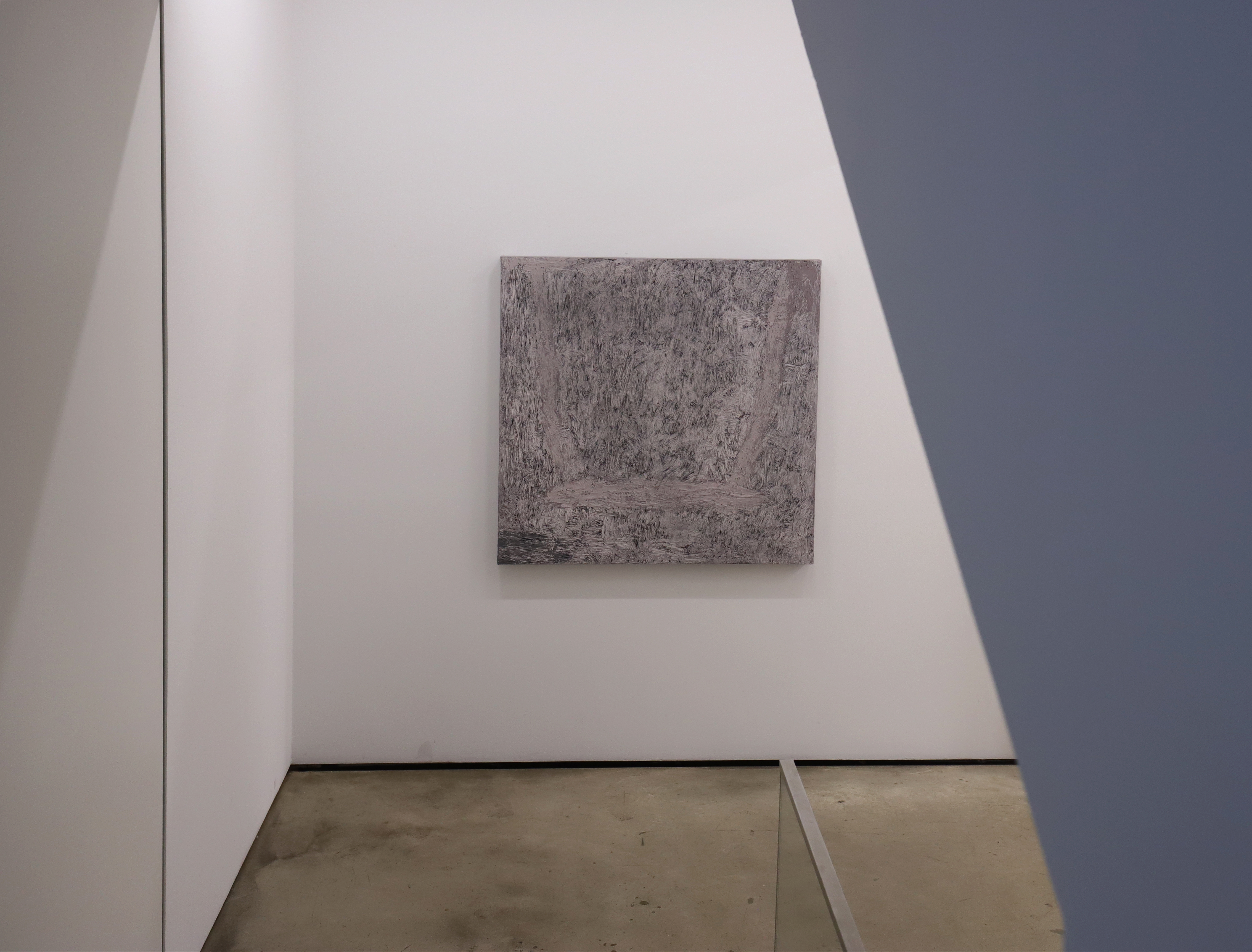
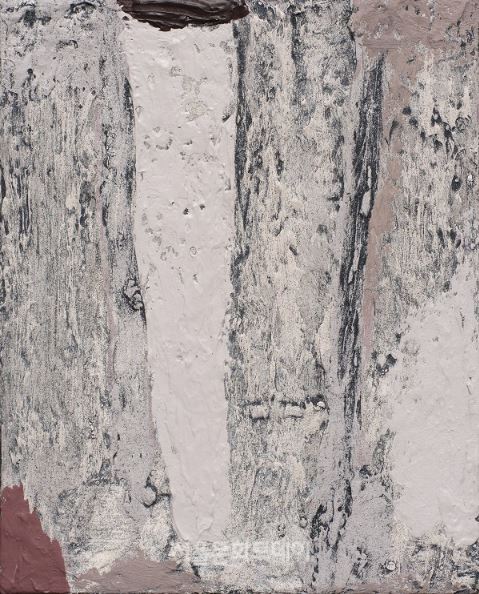
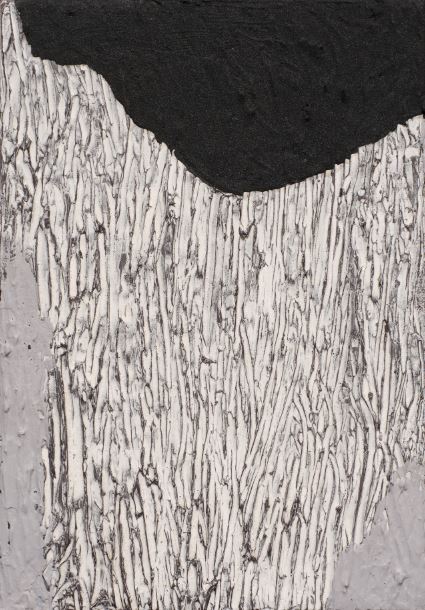
neo-abstract paintings. His lifelong use of the title Thou To Be Seen
Tomorrow for his works was inspired by a guiding phrase from his father,
the legendary Korean poet Pak Tu-jin (1916–1998). The phrase conveys the idea
of eternal possibility. In this context, “thou" may refer to another
person or serve as a call for self-reflection, urging the artist to
continuously see the world with fresh eyes. PARK transcends the concepts of representation
and imitation, exploring the realms of reality and truth through painting. He
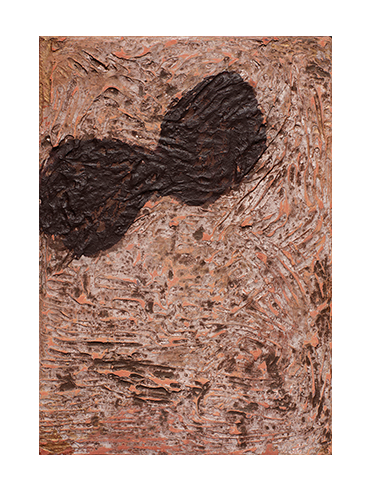
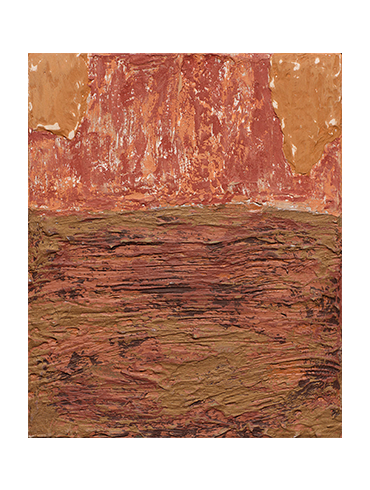
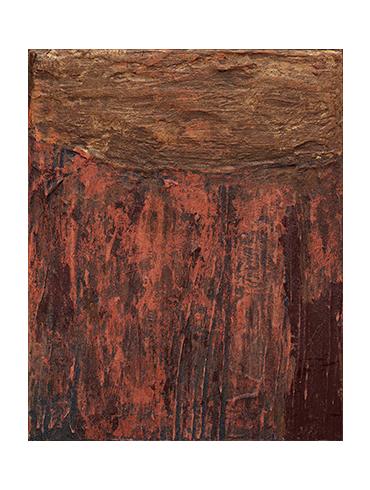
collaborates with a Sydney-based expert in ancient pigments, with whom he has
maintained a 30-year partnership, incorporating materials that reinterpret
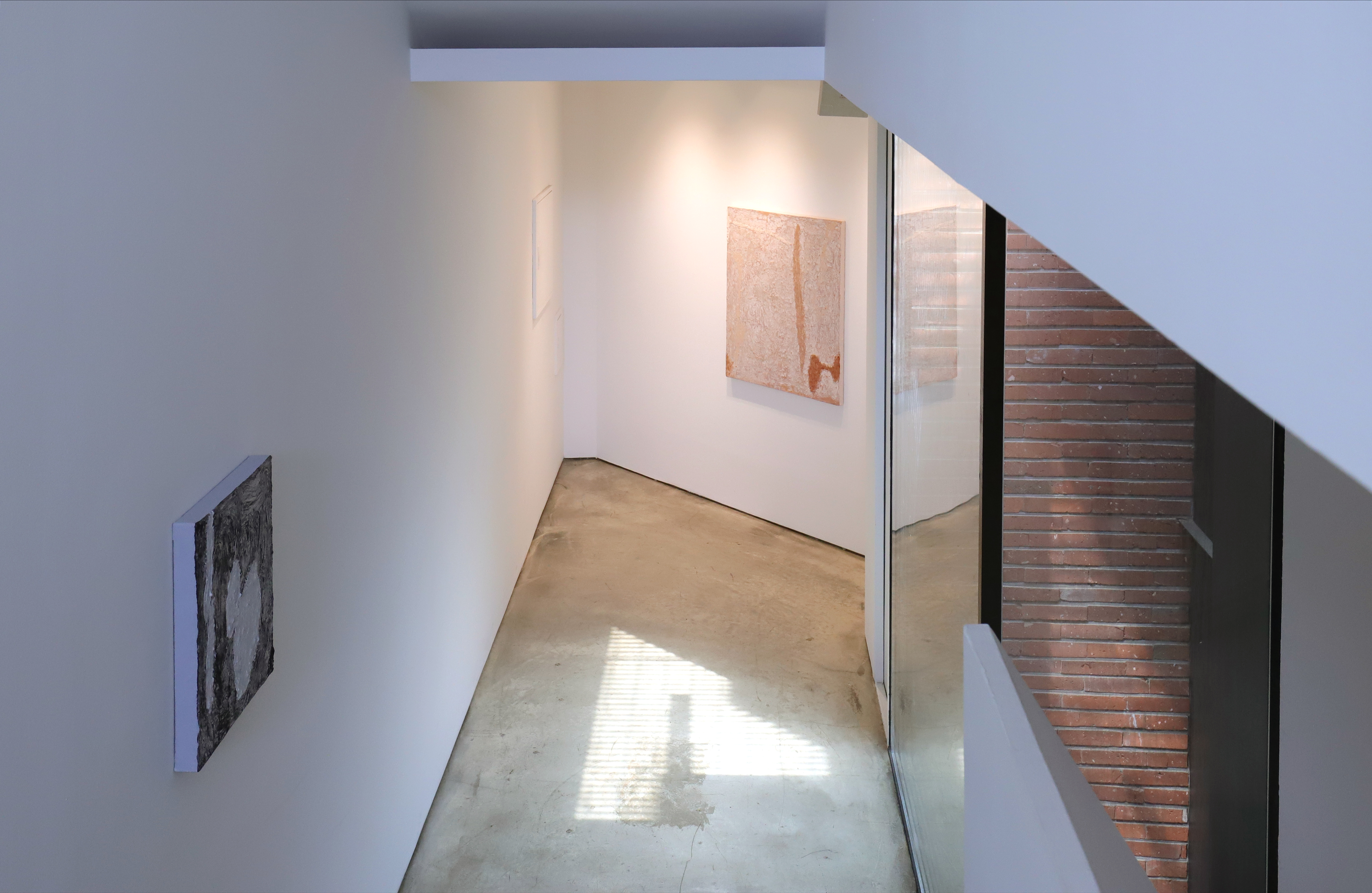
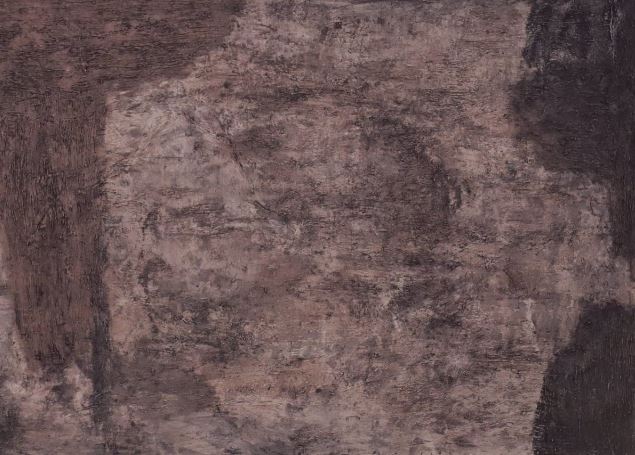
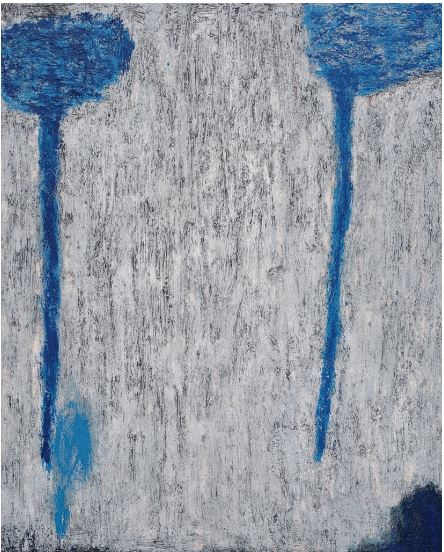
natural pigments used in Australian Aboriginal Art. His works are distinguished
by the unique, complex colour palette created through the blending of these
materials. In ancient Australian culture, the Earth is regarded as a living
being, and natural materials sourced from it are imbued with sacred
significance. Thus, the use of these materials is more than a coloristic
expression—it symbolises a deep connection with nature and a spiritual
communion with the land. It reflects harmony with nature, the cyclical flow of
life, and a profound spiritual meaning. PARK
currently works between Korea and Australia. His works are part of the
permanent collections of major institutions such as the National Museum of
Modern and Contemporary Art, Korea (Gwacheon, Korea) and the Seoul Museum of Art
(Seoul, Korea).
‘Painting is how I reflect, how I connect and how I seek truth’
Artist Statement — PARK Young-Ha
Painting is a language that comes before words — and moves beyond them.
I do not paint to express a thought.
I wait until thought becomes form, or dissolves into colour.
For a long time, I chose silence.
It wasn’t to hide, but to make space —
space for a painterly language to speak for itself.
For me, painting does three things:
It reflects. It communicates. It seeks truth.
These aren’t separate roles.
Reflection and communication move side by side, like two wheels.
And truth is the compass that guides them forward.
What I pursue in painting is not a response to the world outside.
It doesn’t begin in stimulus or mimicry.
It begins in flow —
something internal,
something already moving toward the surface.
Pure abstraction, to me, is the form closest to essence.
I don’t paint to show something.
I stay with the canvas until something chooses to appear.
If writing gathers language toward its centre,
painting lets it spread.
It seeps, settles, evaporates.
Writing distils thought;
painting dissolves into it.
Some shape their thoughts into words.
I follow the rhythm of thought — and let it become line, colour, texture.
Each painting is a record of the time I remained in reflection.
Each leaves behind a wake —
a trace of the shape and colour of that time.
Painting, for me, is how I speak without speaking.
Through it, I learn how to meet the world,
face myself,
and draw a little closer to truth.
Nature: The Beginning and the End of Truth
Truth, as I have found it in painting, always leads me to nature.
Not as landscape or surface,
but as something imprinted deep inside —
a rhythm and an order that doesn’t need explanation.
Nature doesn't explain.
It simply is.
It has form without being forced
and meaning without needing to mean.
My paintings move the same way.
Inside them live four ways of being:
• Fractality
Repetition never repeats.
Even a single brushstroke reflects the whole.
The smallest gesture holds the vastness of the whole.
In Eastern thought, they call this hyeonmi-mugan —
where large and small are not apart.
Painting is how I capture that continuous field.
• Spontaneity
I do not plan.
The paint moves,
the brush responds.
There is no command.
Only a moment’s rhythm,
intuition meeting surface.
This is the flow of muwijayeon —
effortless, unforced, natural.
• Prolificacy
I paint without pause.
Each painting is a thought
and every thought carries the seed of another painting.
Painting is not a result.
It is a process that remembers itself.
Each piece is linked —
growing from, echoing and leaning toward the next.
• Unboundedness
I do not fix meaning.
I do not offer answers.
Each painting remains open.
The viewer enters with their own breath
and meaning forms in motion.
There is no final interpretation —
only a field where rhythm and perception continue to unfold.
These are not concepts.
They are conditions of painting —
the way nature moves
and the way I try to exist in my work.
I don’t paint nature.
I try to paint as nature —
to flow without forcing,
to speak without speaking,
to let painting move toward truth in my place.
The Ultimate End of Art Is Resonance Between Person and Person
What kind of painting do I want to make?
A long time ago, I answered simply:
“I want to paint pictures that put people at ease.”
That hasn’t changed.
Only it has deepened.
Painting is not a solitary act.
It is a moment of being-with.
A space shared with the viewer —
where understanding happens not through words,
but through resonance.
Rather than force the gaze,
I want warmth to quietly settle, to linger,
to return.
I want my paintings to stay with people.
Not as image, but as feeling —
something that awakens again later,
inside the heart.
Painting, for me,
is a language that reaches across the space between people. A way that sincerity becomes real.
A painting does not speak.
But through it,
I speak to Thou to Be Seen Tomorrow.