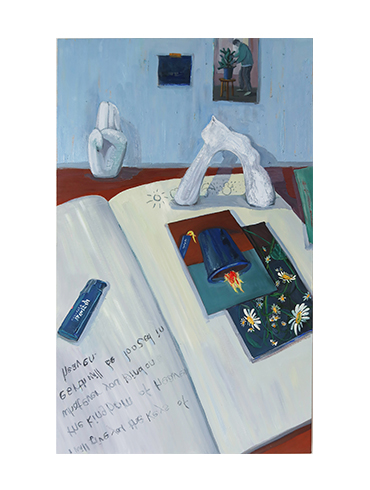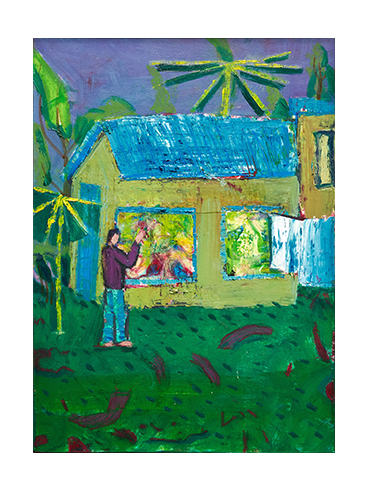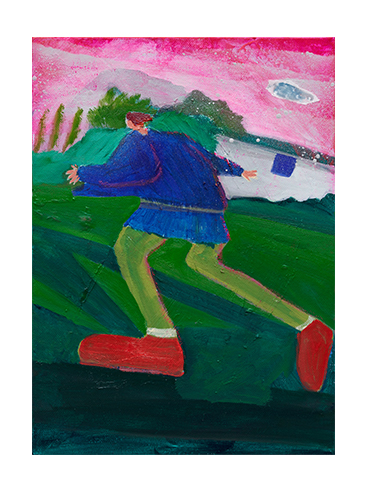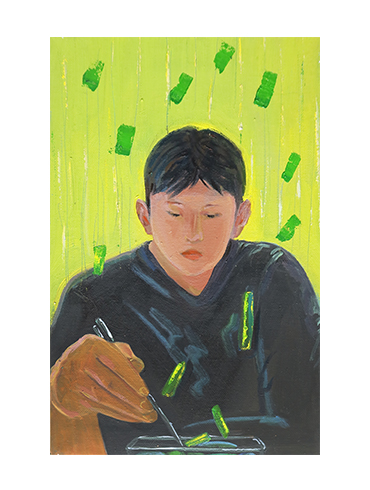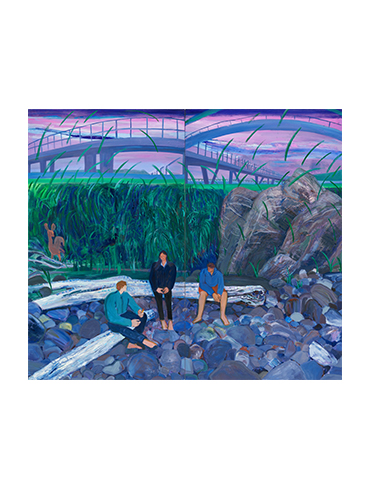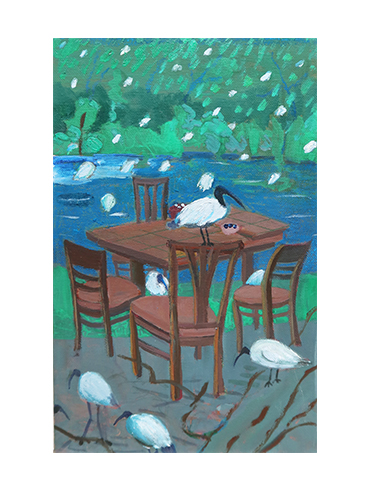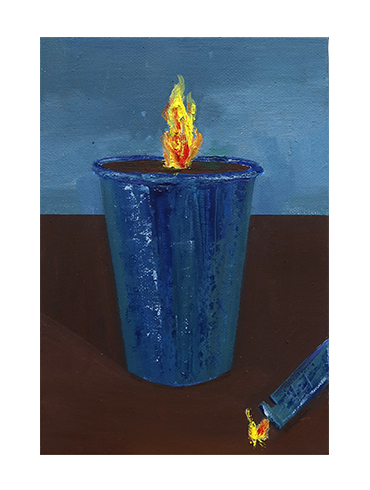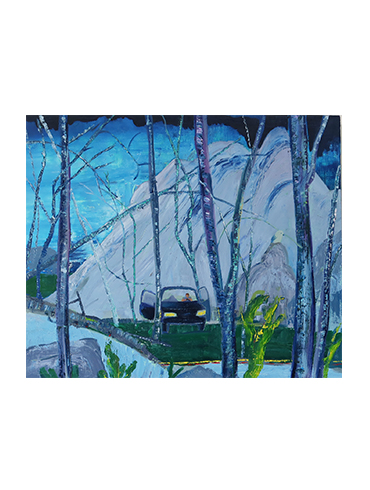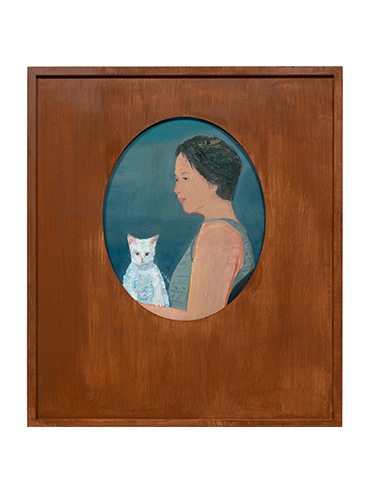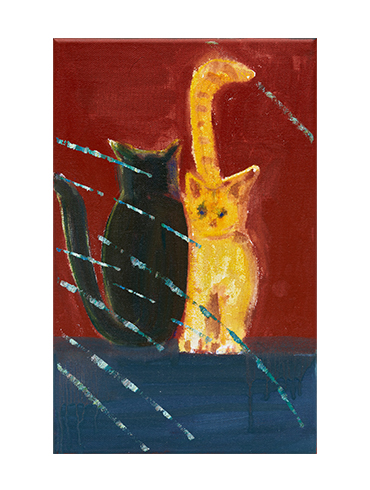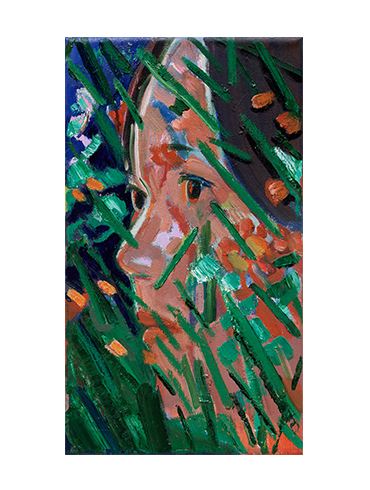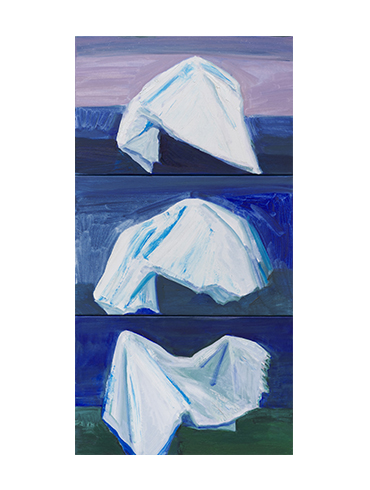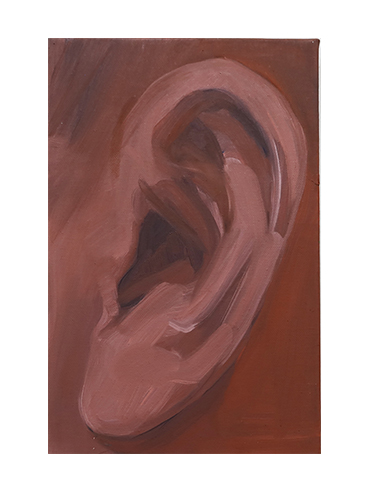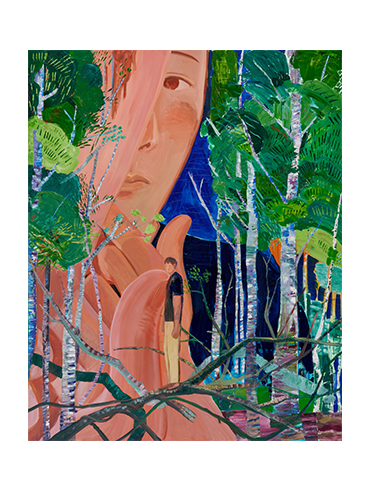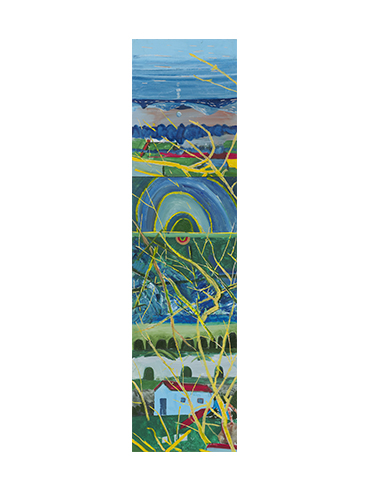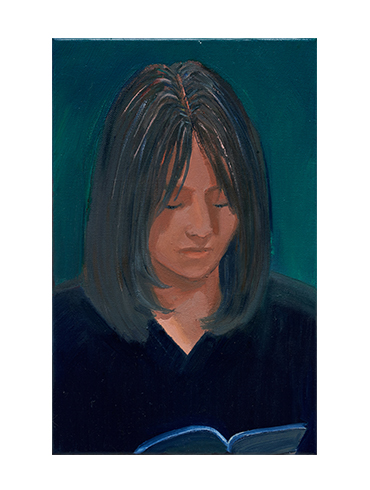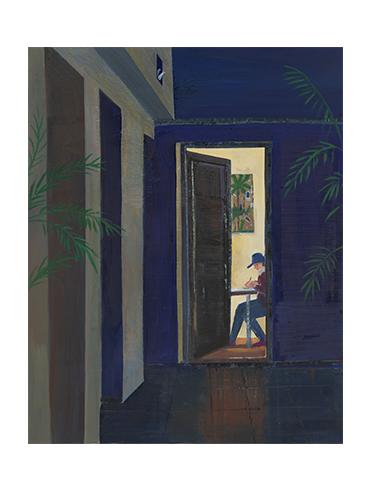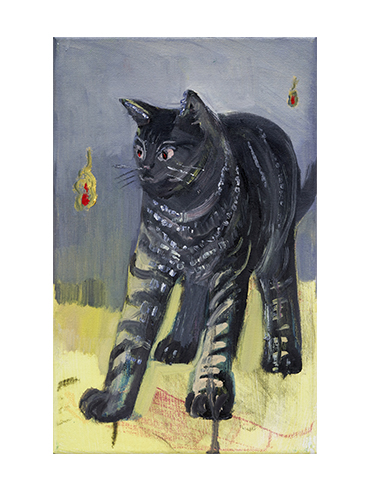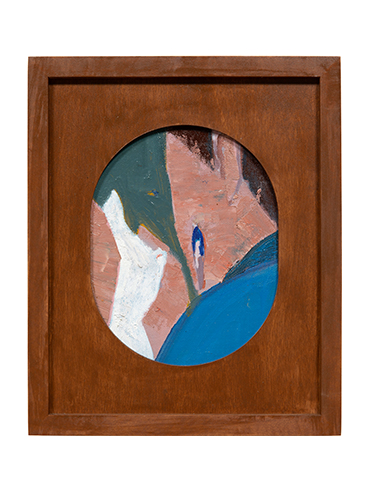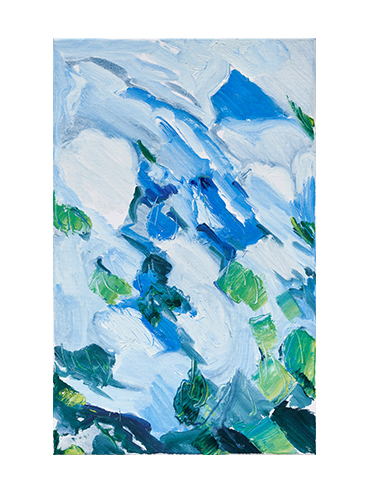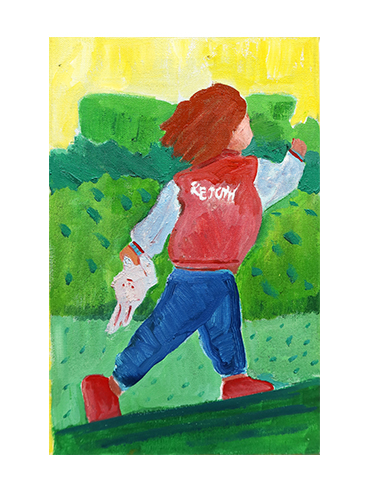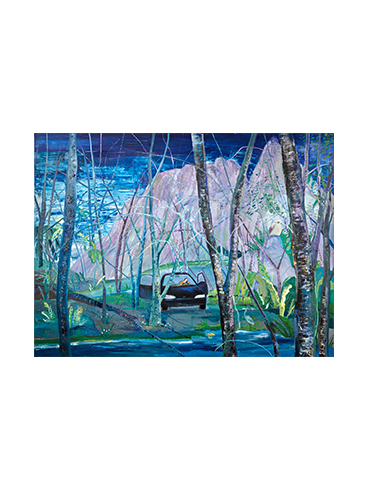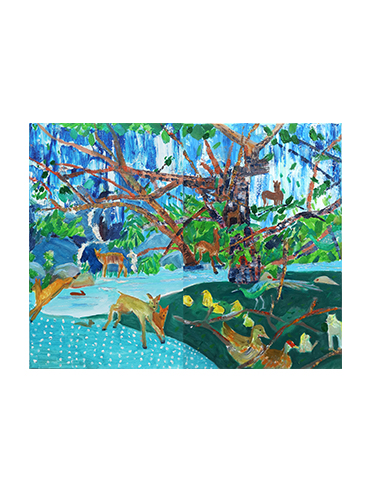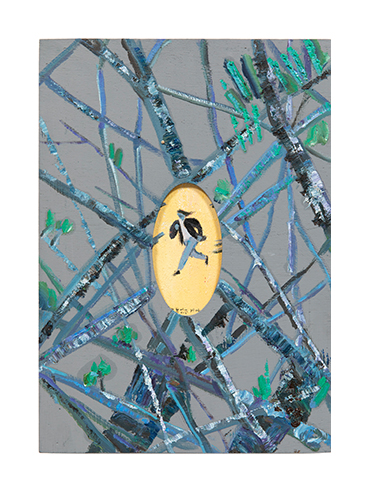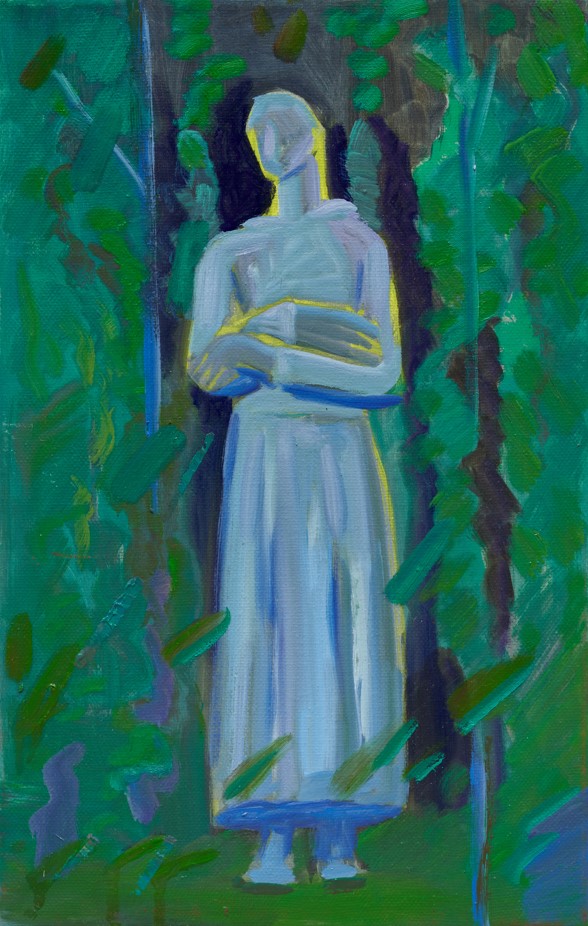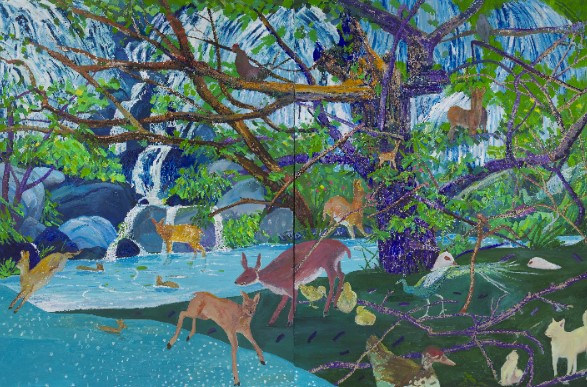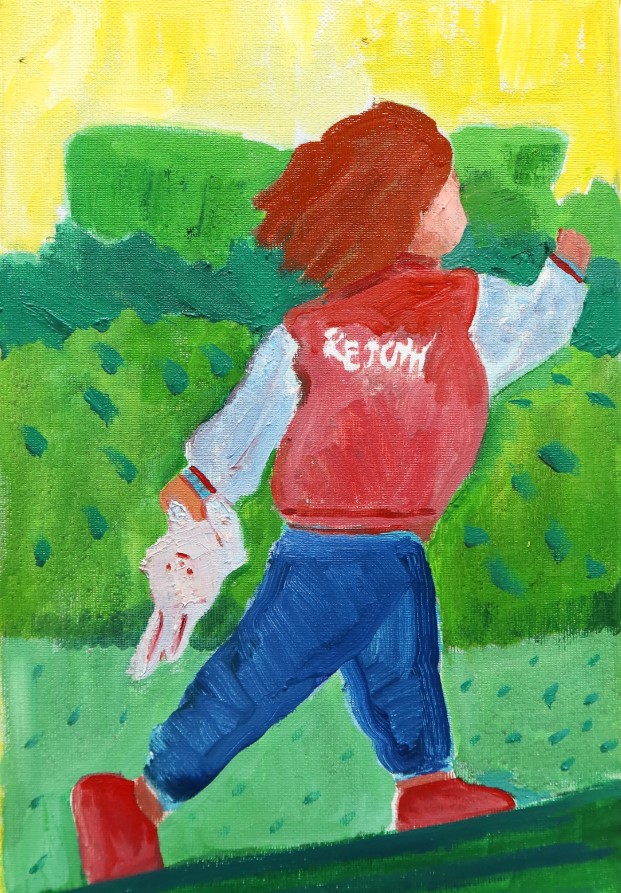
학고재는 10월 2일(목)부터
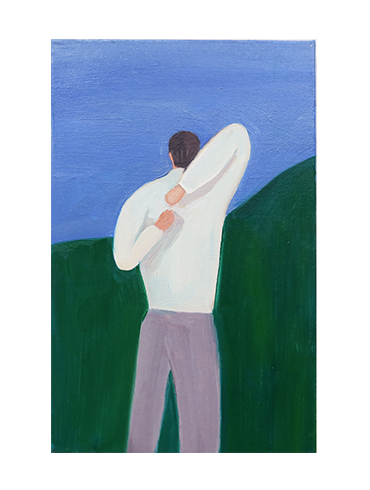
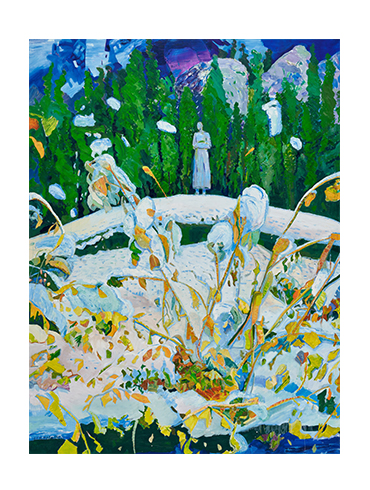
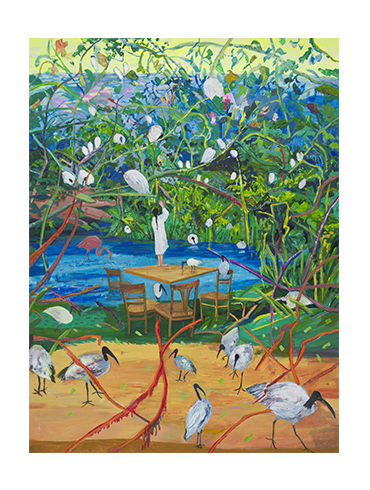
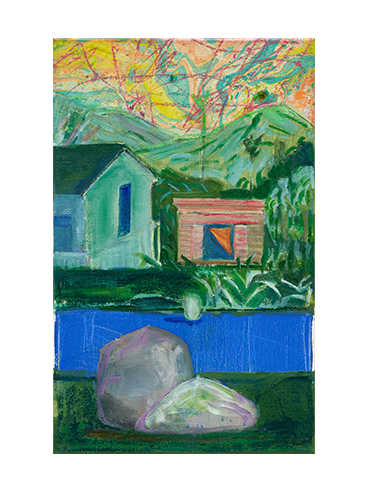
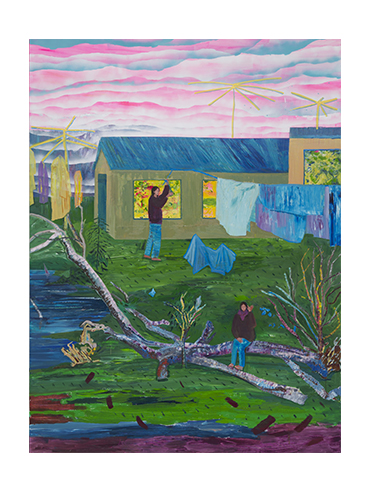
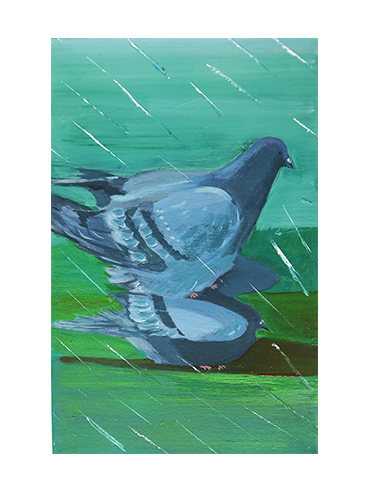
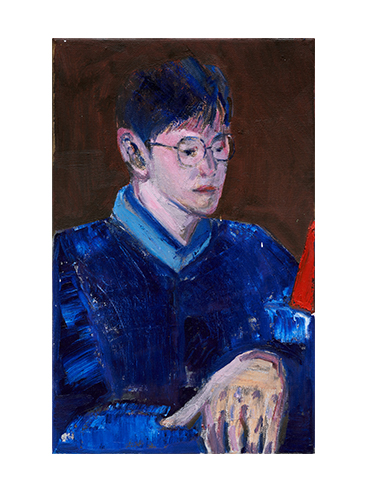
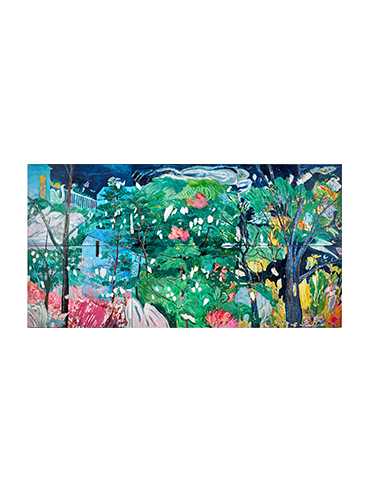
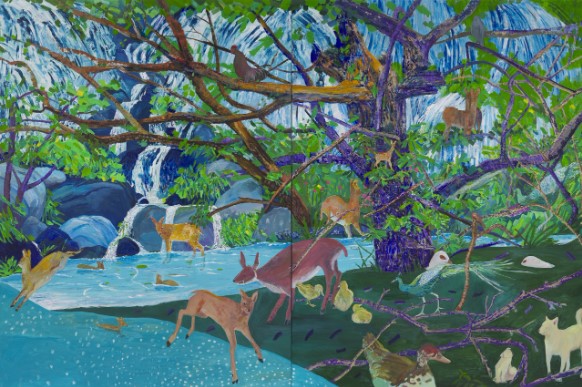
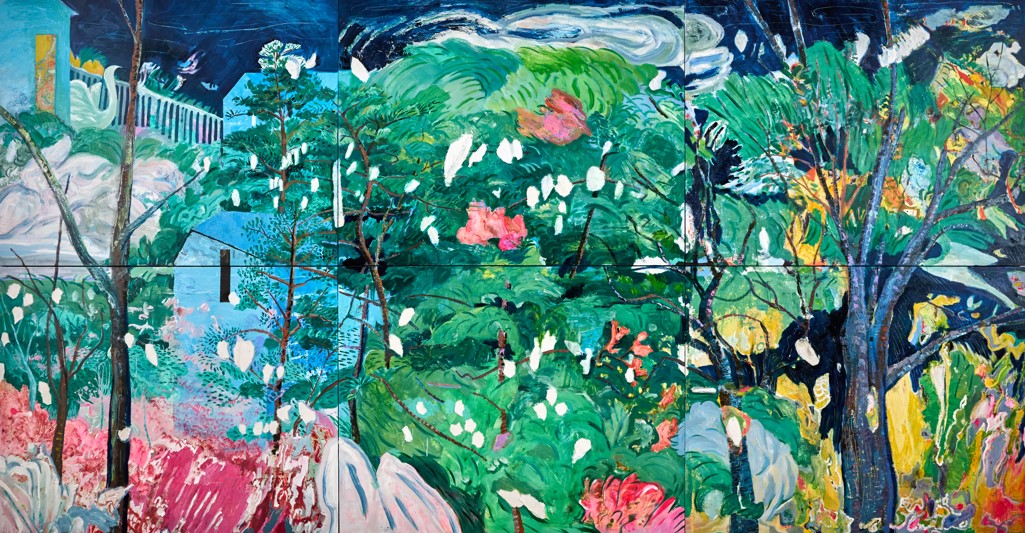
11월 8일(토)까지 김은정(b. 1986)의 개인전 《말, 그림》을 연다. 이번 전시는 학고재에서 두 번째로 여는 개인전으로, 회화 작품 40여
점을 선보인다.
김은정은 언어로는 끝내 발화되지
못하고, 그림으로도 온전히 포착되지 않는 미묘한 지점을 탐구한다. 감각과 사유, 상상과 정서를 회화라는 매체에 담아내며 독자적인 조형 언어를 구축해
왔다. 그의 회화는 고정된 형상이나 단일한 서사로 환원되지 않는다. 시간의 흐름 속에서 겹쳐지고 확장되는 과정 자체를 드러낸다.
이번 전시는 이러한 과정적
성격을 집약적으로 선보이며, 언어와 감각, 현실과 상상 사이의 틈을 어떻게 드러내고 사유할 수 있는지를 탐구한다.
김은정의
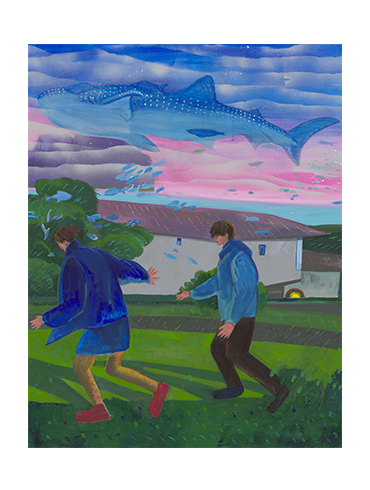
작업 세계는 날씨와 같은 자연 현상에서 출발한다. 바람, 구름, 햇빛, 비와 같은 기후의 변화는 단순한 풍경의 조건이 아니라, 삶의 불확실성과
유동성을 비유하는 상징적 장치다. 변화무쌍한 자연의 표정 속에서 그는 인간의 감정과 사건, 그리고 일상의 흔적을 읽어내고 이를 회화적 언어로 재구성한다.
그의
화면은 현실을 초월하는 허구와 상상을 품지만, 그 기저에는 작가가 직접 목격하고 체험한 순간들이 놓여 있다. 구체적인 체험은 은유와 서사의 층위를
거쳐 상상의 차원으로 확장되고, 다시 현실과 접속하는 순환 구조를 형성한다. 이는 회화의 본질, 곧 현실과 상상이 교차하는 경계적 공간을 시각화하는
방법론으로 기능한다.
전시
제목 《말, 그림》은 쉼표와 띄어쓰기가 만들어내는 간극을 은유한다. 언어와 이미지, 설명과 감각 사이의 거리는 단절이 아니다. 서로를 비추고 보완하는
긴장 관계 속에서 드러난다.
김은정은
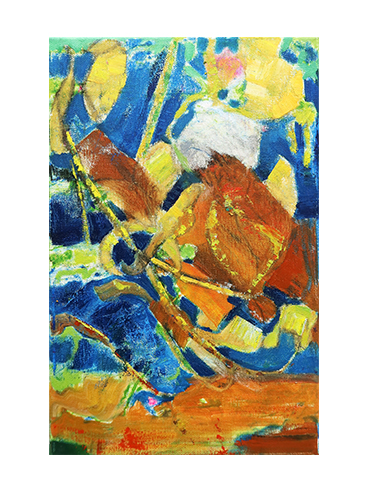
회화, 판화, 편집디자인의 문법을 교차적으로 활용하여 이질적인 매체의 언어들이 충돌하고 공명하도록 화면을 구성한다. 이러한 방식은 전통 회화의
물성적, 시각적 언어를 넘어서려는 시도다. 매체의 한계를 인식하고 그 경계를 확장하려는 실험적 태도에서 비롯된다.
그의
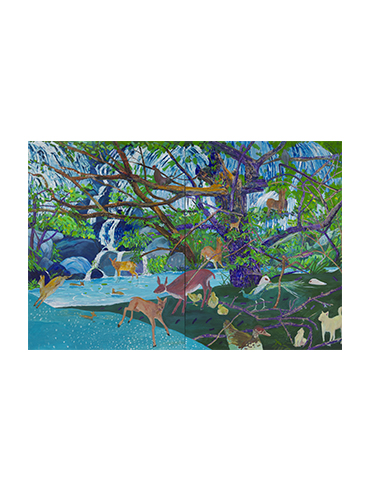
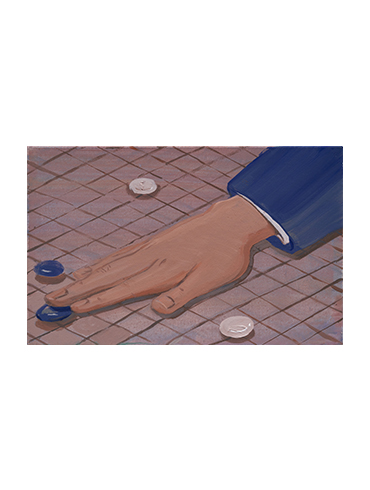
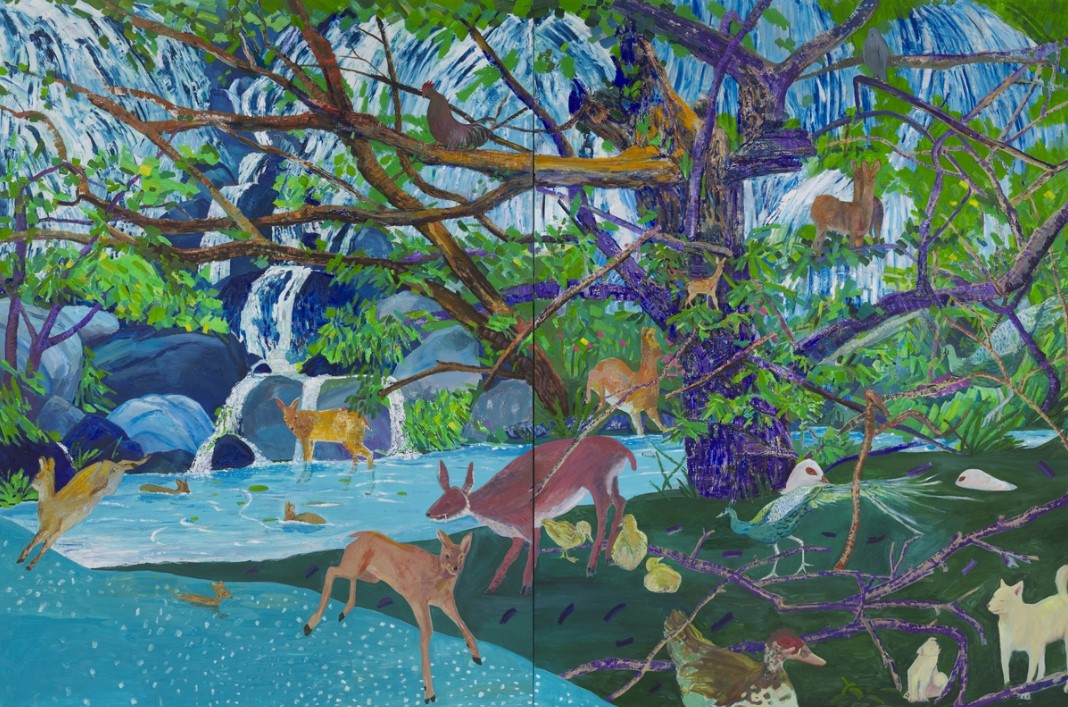
작업은 오래 바라본 풍경을 기억 속에 간직한 뒤, 그 잔상을 독백처럼 화면에 풀어내는 방식으로 전개된다. 장면들은 하나의 일관된 서사로 고정되지
않는다. 여러 번의 겹침과 중첩을 통해 새로운 조형적 관계망을 형성한다. 화면에 남겨진 흔적들은 우연성과 필연성을 동시에 품으며, 때로는 부러진
나뭇가지나 스쳐가는 인물, 동물과 식물 같은 존재로 구체화된다. 이것은 변화하는 환경 속 존재의 조건을 은유하며, 특정한 정서와 관계를 환기하는
감각적 잔향으로 기능한다.
작가는
“‘말’이라는 논리의 세계로 들어가기 전, 이해하거나 설명하기 이전의 상태에서 나는 ‘그림’을 통해 지각(존재)의 방식을 드러내고자
한다.”고 말한다. 특정한 이름이나 개념에 고정되지 않은 채, 언어화 이전의 감각과 존재를 담아내는 시도로 이해될 수 있다. 단순히
이미지를 감각적으로 소비하게 하는 것이 아니다. 관람자로 하여금 사유와 감각의 차원에서 작품과 마주하도록 한다.
이번
전시는 변화와 정체성에 관한 근본적인 질문을 제기한다. “변화하는 과정 속에서도 변하지 않는 것은 무엇인가?”라는 물음은 고대 철학의 역설인
‘테세우스의 배’를 연상시키킨다.
이는 존재의 지속성과 정체성, 그리고 변화의 본질을 성찰하도록 이끈다.
김은정의
작업은 무엇을 드러내고, 무엇을 생략할지 끊임없이 타진하는 자기 질문의 연속이다. 배제된 것은 단순한 공백이 아니다. 보이지 않는 층위에서 잔향처럼
작동하며 작품 전체에 파장을 일으킨다. 화면에 남겨진 것과 사라진 것 모두가 작품의 의미망 속에 공존하게 된다. 이로써 그의 회화는 단일한 해석을
넘어 다층적인 감각을 형성한다.
결과적으로
‘그려진 것’과 ‘그려지지 않은 것’, 프레임 안과 밖, 언어와 이미지 사이에 놓인다. 김은정은 바로 그 틈을 응시하며, 시각적 서사와 개념적
사유를 동시에 불러낸다. 따라서 단일한 주제나 명확한 서사를 제시하기보다는, 작품 속에 자리한 간극과 여백, 불확정성을 강조한다. 우리는 그 틈을
따라가며 지각과 존재의 조건을 경험하고, 변화와 지속, 현실과 상상이 교차하는 감각적 층위를 마주하게 될 것이다.
결국 《말, 그림》은 ‘그림을 통한 말하기’이자, ‘말 너머의 그림’을 향한 시도다. 이는 동시대 회화가 여전히 마주하는 근본적 과제를 환기시키며, 회화적 언어의 지속적인 가능성을 탐색하게 한다.
김은정(b. 1986)은 홍익대학교 미술대학 판화과와 시각디자인과를 졸업한 후, 서울과학기술대학교 일반대학원 조형예술과에서 석사 학위를
받았다. 《말, 그림》(2025 학고재, 서울), 《뜻과 시작》(2024 갤러리 세이프, 서울), 《매일매일( )》(2022 학고재, 서울),
《가장 희미한 해》(2021 학고재 디자인 | 프로젝트 스페이스, 서울), 《홈커밍》(2019 가변크기, 서울), 《연기나는 사람》(2018 에이라운지,
서울) 등의 개인전을 가졌다. 주요 단체전으로는 《세상에 모든 드로잉 in 천안》(2025, 호두뮤지엄, 천안), 《산세리프 섬》(2024 오브,
서울), 《블루》(2023 CDA, 서울), 《살갗들》(2022 학고재, 서울), 《일현 트래블 그랜트》(2017 일현미술관, 양양), 《멘토멘티》(2017
한원미술관, 서울), 《낯선 이웃들》(2016 서울시립북서울 미술관, 서울) 등이 있다. 2016년부터 ‘찬다 프레스’를 설립하고 운영하며 여러
권의 책을 펴냈다. 그중 『난민둘기』(찬다프레스, 2021)가 국립현대미술관 미술책방에 입고되었었다. 또한, 2017년 일현 트래블 그랜트 수상
작가로 선정된 이력이 있다.